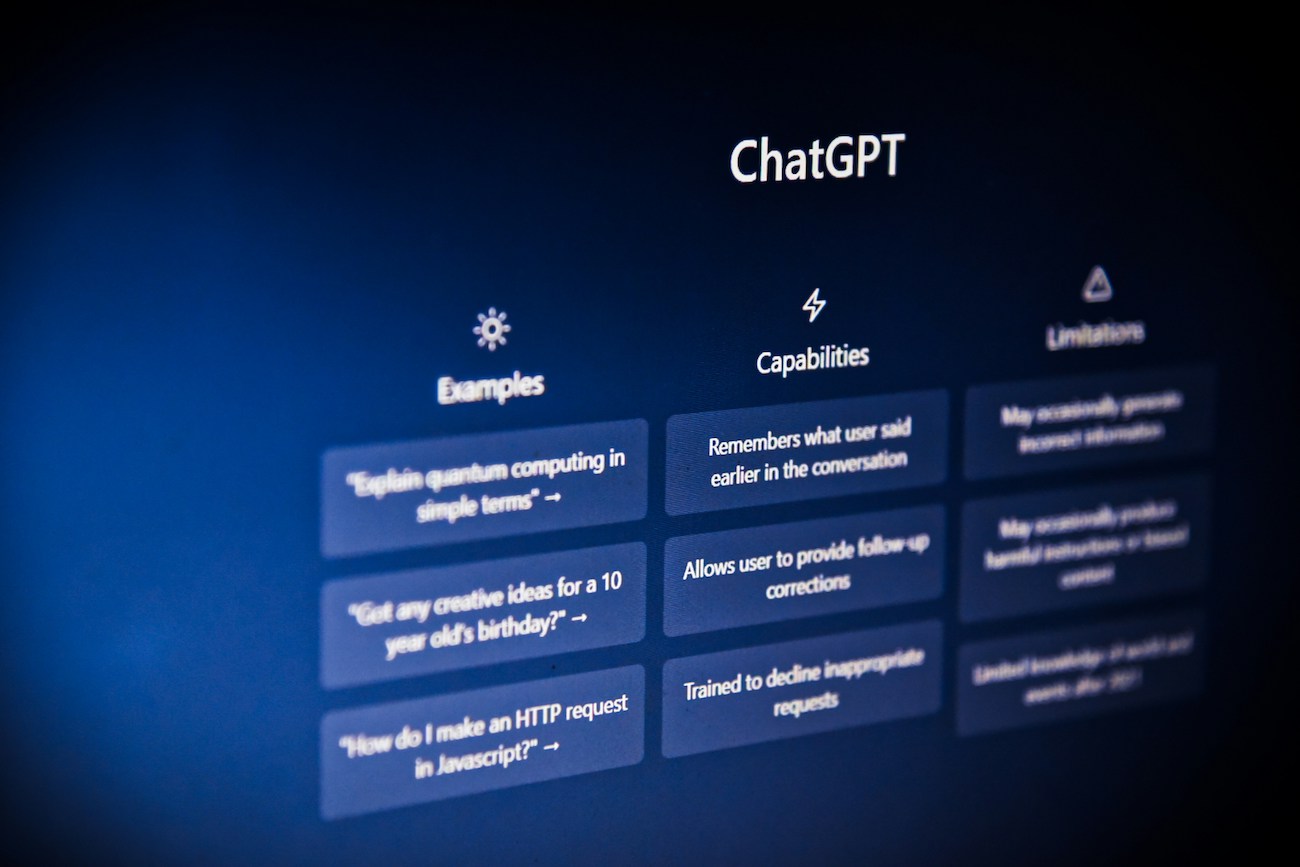
Your competitor just got name-dropped by ChatGPT. Again.
A potential customer asked for recommendations in your industry, and ChatGPT confidently listed three companies. Your competitor was first. You weren’t mentioned at all.
This isn’t hypothetical. It’s happening right now, across every industry. ChatGPT has 800 million weekly active users, and when those users ask for business recommendations, being cited means the difference between a warm lead and complete invisibility.
Here’s what most business owners don’t realize: Wikipedia accounts for 7.8% of all ChatGPT citations, making it the single most referenced source. Reddit follows at 1.8%. If your business isn’t showing up in these authoritative sources, ChatGPT doesn’t know you exist.
The window for first-mover advantage is closing fast. Companies that establish citation dominance now will be nearly impossible to displace later. Here’s exactly how to do it.
Why This Actually Matters to Your Bottom Line
Let’s cut through the hype. AI visitors convert at 4.4 times the rate of traditional organic search. When someone asks ChatGPT for recommendations, they’re not browsing—they’re ready to make a decision.
Think about the difference: a Google searcher might visit ten websites, read reviews, comparison shop, and come back three times before buying. A ChatGPT user asks “What’s the best CRM for a 20-person sales team?” and expects a definitive answer they can act on immediately.
The companies ChatGPT recommends get that high-intent traffic. Everyone else gets nothing.
At most 16% of members in any industry currently use ChatGPT in their purchasing journey, but that number is climbing fast. The businesses establishing authority now will own those recommendations for years.
The Brutal Truth About How ChatGPT Decides Who to Cite
ChatGPT doesn’t care about your marketing budget, your brand guidelines, or how many years you’ve been in business. It cites sources based on a surprisingly simple hierarchy:
Wikipedia dominates everything. ChatGPT uses Wikipedia for 12.1% of its citations. That’s not a typo—Wikipedia alone accounts for more citations than most entire categories of websites.
Community platforms matter more than you think. Reddit isn’t just for memes. It’s where real people discuss real problems with real products. ChatGPT trusts that.
Authority publications create legitimacy. Forbes, Business Insider, TechRadar—these aren’t just vanity metrics. They’re citation magnets because ChatGPT views them as authoritative sources.
Fresh content wins. 60.5% of cited pages were published within the last two years. ChatGPT has a recency bias. Your five-year-old “About Us” page isn’t getting cited.
Here’s the part that frustrates most businesses: 67% of ChatGPT’s top citations are what experts call “dead citations”—Wikipedia articles, organizational homepages, app store listings you can’t easily control. Only about one-third are pages you can actually influence through traditional marketing.
This means you need a completely different playbook.
The Four-Phase Strategy That Actually Works
Phase 1: Build Your Foundation (Weeks 1-2)
Start where ChatGPT looks first. Your goal isn’t to game the system—it’s to make your business as easy as possible for AI to understand and cite accurately.
Get your technical house in order. ChatGPT can’t cite what it can’t access. Make sure GPTBot (OpenAI’s crawler) isn’t blocked in your robots.txt file. Use clean HTML that renders server-side. If your website requires JavaScript to display content, ChatGPT can’t see it.
Add schema markup to your key pages. This isn’t optional anymore. Organization schema at minimum—include your business name, address, services, founding date, and notable achievements. Think of schema as the executive summary ChatGPT reads before deciding whether you’re worth citing.
Create an llms.txt file. This is a new standard that tells AI systems who you are and what content matters. Put it at yoursite.com/llms.txt and include your company name, a clear description of what you do, key differentiators, and links to your most important pages.
Audit what AI already knows about you. Search for your company name in ChatGPT. Search for your category (“best [your industry] tools for [your audience]”). See what comes up. If your competitors appear and you don’t, you now know exactly what questions to target.
Phase 2: Create Citation-Worthy Content (Weeks 2-6)
Here’s where most businesses fail. They create content optimized for Google, then wonder why ChatGPT ignores it.
ChatGPT doesn’t want marketing copy. It wants answers. The single strongest commonality among cited pages is the presence of answer capsules—short, definitive statements that directly answer a specific question.
Here’s the template: 40-50 words that answer one question completely. No fluff, no “In this comprehensive guide we’ll explore,” just the answer. Put it at the very top of your page, before any other content.
For example, don’t write: “When considering which project management software is right for your team, there are many factors to evaluate, and in this guide, we’ll walk you through…”
Instead write: “Monday.com is best for creative teams needing visual project tracking, with unlimited boards starting at $9/user/month. Asana works better for product teams with 50+ members due to stronger portfolio management features. Both integrate with 200+ apps and offer 14-day free trials.”
That answer capsule can be cited directly. The other version can’t.
Add original data wherever possible. Original or “owned” data ranked as the second-strongest differentiator for cited pages. This doesn’t mean commissioning a $50,000 research study. It means:
- Survey your customers and publish the results
- Analyze trends in your industry and quantify them
- Track benchmarks over time and share the data
- Create calculators or tools that generate unique insights
For instance, if you run a payroll company, don’t just write “Small businesses struggle with payroll compliance.” Write “Our analysis of 847 small businesses found that 63% faced at least one payroll compliance issue in 2025, with missed tax deadlines accounting for 41% of problems.”
That specific stat can be cited. The vague statement can’t.
Keep it fresh. Update your key pages at least quarterly. ChatGPT’s recency bias means outdated content gets ignored, even if it’s otherwise excellent. Add a “Last updated” date at the top of your pages.
Phase 3: Get External Validation (Weeks 4-12)
This is the hardest part and the most important. ChatGPT doesn’t trust what you say about yourself. It trusts what authoritative third parties say about you.
Wikipedia is the holy grail but incredibly difficult. If your company genuinely meets Wikipedia’s notability guidelines (significant coverage in multiple independent reliable sources), get an article created. Companies with comprehensive Wikipedia articles achieved first ChatGPT citations in an average of 28 days, while those without took 52 days.
But—and this is crucial—don’t try to game Wikipedia. The editors will catch you, delete your article, and potentially blacklist your company. Only pursue this if you legitimately qualify.
Focus on publications ChatGPT already cites. Check which domains ChatGPT references in your industry. Common patterns: Forbes, Business Insider, TechRadar, industry-specific publications. Pitch them stories, expert commentary, or data they can use.
The pitch isn’t “feature my company.” It’s “here’s data/insights/perspective your readers need.” Journalists cite specific claims, not company pitches. Give them something worth citing.
Engage authentically on Reddit. ChatGPT cited LinkedIn 900 times (4.1% of citations), but Reddit remains one of the top sources. Find subreddits where your customers hang out. Answer questions helpfully. Share expertise without being promotional.
When someone asks “What’s the best invoicing software for freelancers?” and you genuinely offer the best solution for their specific situation, that’s valuable. When you drop your company name in every thread regardless of fit, that’s spam.
Build reputation over time. ChatGPT weights community consensus, not individual mentions.
Phase 4: Maintain and Monitor (Ongoing)
Getting cited once doesn’t mean staying cited. The AI landscape changes constantly.
Track your citations. Check ChatGPT manually for your core queries at least monthly. Tools like Ahrefs Brand Radar or specialized platforms like Superlines can automate this, but manual checking ensures you catch nuances.
Ask variations: “best [category] for [audience]”, “top [category] companies”, “[category] comparison”, “should I use [your company]”. See where you show up, where you don’t, and how you’re positioned against competitors.
Measure what matters. Citation frequency (how often you appear) and citation context (how you’re described) both matter. If ChatGPT cites you but characterizes your offering incorrectly, that’s a problem you need to fix.
Update your external presence constantly. As publications update their comparison guides, as Reddit discussions evolve, as industry conversations shift, make sure accurate information about your company stays current across the web.
The companies that win aren’t those that optimize once. They’re the ones that systematically maintain authoritative presence across the sources ChatGPT trusts.
The Biggest Mistakes to Avoid
Trying to manipulate Wikipedia. Don’t. Just don’t. If you don’t legitimately meet notability guidelines, focus on the publications and sources that could eventually make you notable enough for Wikipedia.
Creating AI-optimized content that’s terrible for humans. Answer capsules and structured data serve readers first, AI second. If your content reads like it was written by a robot, actual customers will bounce. ChatGPT might cite you once, but you’ll convert zero visitors.
Ignoring citation accuracy. Getting cited incorrectly is sometimes worse than not getting cited. If ChatGPT describes your product as something it’s not, or claims you serve markets you don’t, that creates friction with prospects. Monitor and correct.
Obsessing over ChatGPT while ignoring Google. ChatGPT currently drives dramatically less traffic than Google. Google sends 345 times more traffic than ChatGPT, Gemini, and Perplexity combined. This is about building for the future while maintaining your present traffic sources.
Expecting instant results. This takes months, not weeks. Companies seeing consistent citations typically invest 3-6 months building foundation before seeing meaningful results. The ones that win are playing a long game.
What Success Actually Looks Like
You won’t go from zero to cited on every query overnight. Realistic expectations matter.
Month 1-2: Technical setup complete, foundation content published, initial outreach underway. Few if any citations yet.
Month 3-4: First citations appearing on long-tail, specific queries. External mentions beginning to accumulate. Wikipedia article (if applicable) live or in process.
Month 5-6: Citations on broader category queries. Consistent presence in comparison contexts. Accurate characterization in most responses.
Month 6-12: Regular citations across core queries. Strong positioning against competitors. Measurable referral traffic from AI platforms.
Month 12+: Dominant position in citation patterns. Difficult for competitors to displace. Systematic process for maintaining and expanding presence.
The goal isn’t perfection. It’s progress. Every citation builds on the last. Every authoritative mention strengthens the next.
The Early Mover Advantage Won’t Last
Here’s the uncomfortable truth: This gets exponentially harder over time.
ChatGPT’s training data creates inertia. Once citation patterns establish around specific companies, breaking in becomes incredibly difficult. The companies cited in ChatGPT’s training data have massive advantages over those trying to break in later.
Right now, in early 2026, those patterns are still forming. By mid-2026, dominant citation positions will calcify around early adopters. The companies that act now are establishing positions that will compound for years.
This isn’t about SEO tactics or marketing hacks. It’s about building genuine authority in the sources AI systems trust, then maintaining that authority systematically over time.
Your competitors who understand this are already implementing these strategies. The ones who don’t will spend 2027 wondering why ChatGPT keeps recommending everyone else.
What to Do Next
Start with research. Spend a day checking what ChatGPT says about your industry, your competitors, and your company. Document every query, every citation, every gap.
Then prioritize the foundation: technical setup, schema markup, answer capsules on your key pages. These are table stakes. Get them done in week one.
After that, it’s a question of resources. External validation takes time—building relationships with publications, engaging on community platforms, potentially creating Wikipedia presence. You can’t rush this, but you can systematize it.
If you’re serious about not losing the next generation of customers to competitors, this can’t be a side project. It needs dedicated focus, consistent execution, and patience to let compounding effects build.
The companies dominating ChatGPT citations in 2027 won’t be the ones with the biggest budgets. They’ll be the ones that started in early 2026 and executed consistently.
Leave a request and I’ll check if your business appears on ChatGPT and Gemini–you’ll get the result in 1 business day with my recommendations what to do first to let LLMs know you exist.